Looking straight up through a massive hardwood canopy, dark bark filling the center, branches fracturing outward against an overcast sky
ISA Certified · Licensed · Insured

Certified Arborists
Serving the
Greater Metro Region.

We climb into storm-damaged crowns and diseased limbs. We write the certified reports your insurance requires. We give property owners, risk managers, and commercial PMs the documentation that holds up in court.

24+
Years Field Experience
3,400+
Trees Assessed
$2M
Liability Coverage
ISA
Board Certified Arborists
ISA Board Certified Arborist·
TRAQ Risk Assessment Qualified·
Court-Qualified Expert Witness·
Municipal Contract Eligible·
$2M General Liability·
Worker's Comp Verified·
ANSI A300 Standards Compliant·
Permit Guidance Included·
ISA Board Certified Arborist·
TRAQ Risk Assessment Qualified·
Court-Qualified Expert Witness·
Municipal Contract Eligible·
$2M General Liability·
Worker's Comp Verified·
ANSI A300 Standards Compliant·
Permit Guidance Included·
Section 01

Removal vs. Preservation

Every tree assessment starts with the same question: is this tree worth saving? The answer depends on structural integrity, species, site conditions, and your legal exposure — not on which option costs less. Here's how a certified arborist evaluates the decision.

ISA Position Statement

The International Society of Arboriculture recommends that all removal decisions be preceded by a written risk assessment from a certified arborist. Documentation protects property owners from negligence claims regardless of which action is taken.

Assessment Factor
Removal
Preservation
Structural failure risk
TRAQ score ≥ 4 typically warrants removal
Eliminates risk permanently
Requires ongoing monitoring
Root proximity to foundation
Within 10 ft of foundation: consult required
Stump grinding included
Root barrier installation possible
Canopy disease (>50% affected)
Recommended course of action
Not viable above 50% infection
Species protection ordinance
Heritage tree status may prohibit removal
Permit required in most jurisdictions
No permit required
Property value impact
Avg. −3% to −7% per study
Mature trees add 10–15% value
Insurance liability clearance
Both paths require documented arborist assessment
Certified report documents action
Certified risk report required
Timeline to resolution
1–3 days after permit clearance
2–6 weeks treatment cycle

Common Species Risk Guide

White Oak (Quercus alba)Moderate

Heritage status in many municipalities. Removal permit required. Preserve when structurally sound.

Silver Maple (Acer saccharinum)High

Brittle wood, aggressive roots. High failure rate in ice storms. Evaluate annually.

American Elm (Ulmus americana)High

Dutch Elm Disease vector. Removal often recommended. Check local DED management programs.

Eastern White Pine (Pinus strobus)Moderate

Crown dieback common. Trunk integrity assessment required before preservation decision.

Honeylocust (Gleditsia triacanthos)Low

Tolerates urban stress well. Preservation strongly favored unless structural failure present.

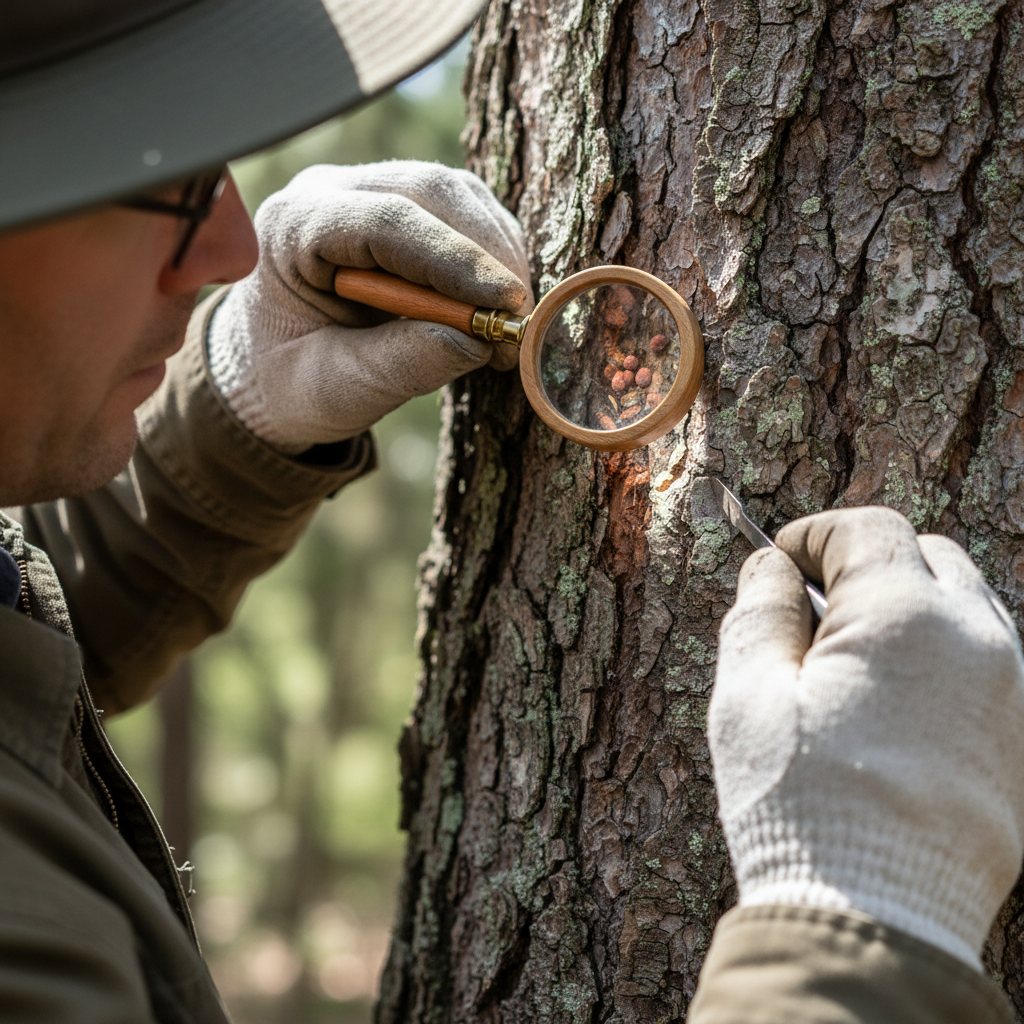
Certified arborist in climbing harness assessing a large oak tree canopy with inspection equipment

On-Site Assessment

Every removal decision starts with a climber's-eye view of the crown

Section 02

Emergency vs. Scheduled

A leaning oak at 2 a.m. after an ice storm is a different job than a planned removal in dry weather. Understanding the operational and legal differences determines whether your insurance claim is airtight or contested.

24/7 Emergency Dispatch

Storm-related failures, utility-adjacent hazards, and post-incident documentation require certified presence on-site within hours, not days. Our emergency line is staffed by certified arborists, not call centers.

(555) 123-4567
Operational Factor
Emergency
Scheduled
Response timeline
2–4 hour dispatch
3–14 day lead time
Cost premium
40–80% above standard rate
Standard market rate
Permit requirement
Emergency exemption in most jurisdictions
Full permit process applies
Insurance documentation
Incident report + certified assessment
Pre-work certified assessment
Crew certification required
ISA Certified Arborist on-site required
Site restoration
Debris clearance; stump may be deferred
Full cleanup and stump grinding included
Utility coordination
Utility hold if lines involved
Pre-scheduled utility notification

TRAQ Risk Rating Matrix

Tree Risk Assessment Qualification (TRAQ) scores guide the emergency vs. scheduled decision.

Low RiskScore 20

Minor deadwood, no target beneath. Schedule within 90 days.

Moderate RiskScore 50

Included bark, co-dominant stems, or root damage. Schedule within 30 days.

High RiskScore 75

Significant structural defect with occupied target zone. Schedule within 72 hours.

Extreme RiskScore 95

Imminent failure risk. Emergency response required. Do not occupy target zone.
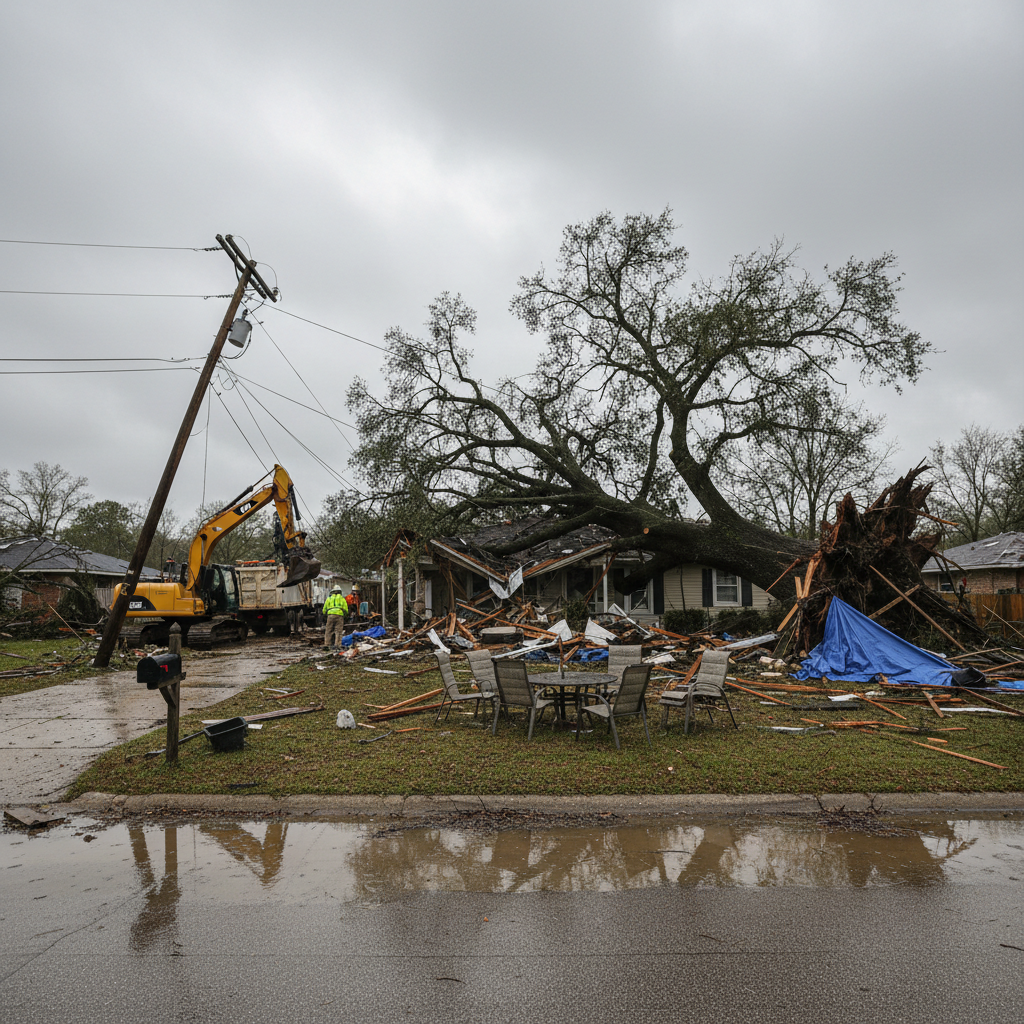
Storm-damaged large tree branch hanging over residential property after severe weather, showing emergency tree service scenario

Storm Response

Branch failure with occupied target zone = emergency classification

Section 03

Certified Arborist vs. Unlicensed Contractor

"Tree guy with a truck" is not the same as ISA-certified arborist. The difference is legal liability, insurance validity, and whether your documentation holds up when a neighbor files a complaint or your insurer requests proof of due diligence.

Legal Exposure Warning

If an unlicensed contractor is injured on your property, you may be named in the lawsuit. If a tree removed without a permit damages a neighbor's property, the municipality may hold you liable for the violation. Both risks are eliminated with a certified arborist and documented permit compliance.

Legal / Operational Factor
ISA Certified Arborist
Unlicensed Contractor
Legal Note
ISA Certification
Required exam + 3 years field experience
No credential verification possible

ISA certification is the industry standard accepted by courts

Liability insurance
$1M–$2M general liability, verifiable COI
Often uninsured or underinsured

Property owner may bear liability for contractor's injuries

Worker's compensation
State-mandated coverage for all crew
Rarely carried; workers may sue homeowner
Permit knowledge
Jurisdiction-specific ordinance guidance included
Permit violations common; fines passed to owner

Heritage tree violations can reach $10,000+ per municipality

Written risk assessment
ANSI A300-compliant written report
Verbal opinion only; inadmissible in disputes
Expert witness eligibility
Court-qualified to testify on tree risk
Cannot provide expert testimony

Required for insurance claims, HOA disputes, neighbor litigation

ANSI A300 compliance
All work performed to ANSI A300 standard
No standard; improper pruning voids insurance
Municipal contract eligibility
Meets bid requirements for government contracts
Disqualified from municipal work

Municipal Permit Reference Guide

Permit requirements vary significantly by jurisdiction. The table below reflects current ordinances as of early 2026. Always verify with your local urban forestry department — our arborists provide jurisdiction-specific guidance as part of every assessment.

Jurisdiction
Heritage Threshold
Permit Fee
Processing Time
Key Notes
Chicago, IL
10" DBH on public ROW
$75–$350 permit
15 business days
Replacement planting required 1:1 on city property
Atlanta, GA
6" DBH residential; 2" commercial
$50 residential permit
10 business days
Specimen trees (24"+ DBH) require arborist report
Portland, OR
Heritage: 8" DBH + 100 years
$255 standard; $510 heritage
21 business days
Heritage designation may prohibit removal entirely
Austin, TX
19" DBH protected; 24" heritage
$65–$200 based on size
5 business days
Mitigation fee or replacement required for protected trees

DBH = Diameter at Breast Height (measured 4.5 ft above ground). ROW = Right of Way. Verify current ordinances at your municipality's urban forestry department.

Take Action

Two Ways to Protect Your Property

Start with the checklist to understand your exposure. Request an assessment when you need a certified arborist on-site with documentation.
Sunlight filtering through dense forest canopy with large tree trunks in foreground, representing tree risk assessment
Free Resource

Property Tree Risk Checklist

A 23-point inspection checklist used by certified arborists to evaluate structural defects, root zone conditions, and site hazards. Enter your zip code and we'll include your local ordinance links and permit requirements.

  • Structural defect identification guide
  • Root zone assessment criteria
  • TRAQ risk rating reference card
  • Local ordinance + permit links (zip-specific)
  • Species-specific failure indicators

No spam. One email with your checklist and local ordinance links.

Request Certified Assessment

ISA-Certified Arborist · Written Report Included

Photo upload available after submission — our team will send a secure link to attach images of the tree.

Response within 4 business hours · Emergency: (555) 123-4567

ISA Board Certified

All assessments performed or supervised by ISA-certified arborists

Court-Admissible Reports

ANSI A300-compliant written assessments accepted by insurers and courts

Jurisdiction-Aware

We know your local ordinances, permit timelines, and heritage tree protections

24/7 Emergency Line

Certified arborists answer storm emergency calls — not call centers